The days of a lone executive barking orders from a corner office are gone. Today’s most successful organizations are moving away from strict hierarchies and toward a more open, team-focused approach. Instead of expecting one person to have all the answers, companies are embracing leadership styles where the “boss” acts more like a coach than a commander.
Collaborative leadership is built on a simple idea: when people work together, their combined insight is stronger than any one person’s vision alone.
What Defines a Collaborative Leader?
At its core, the collaborative leadership style is about leading with people rather than over them. While Unlike traditional managers, collaborative leaders might not focus on monitoring compliance and guarding information.
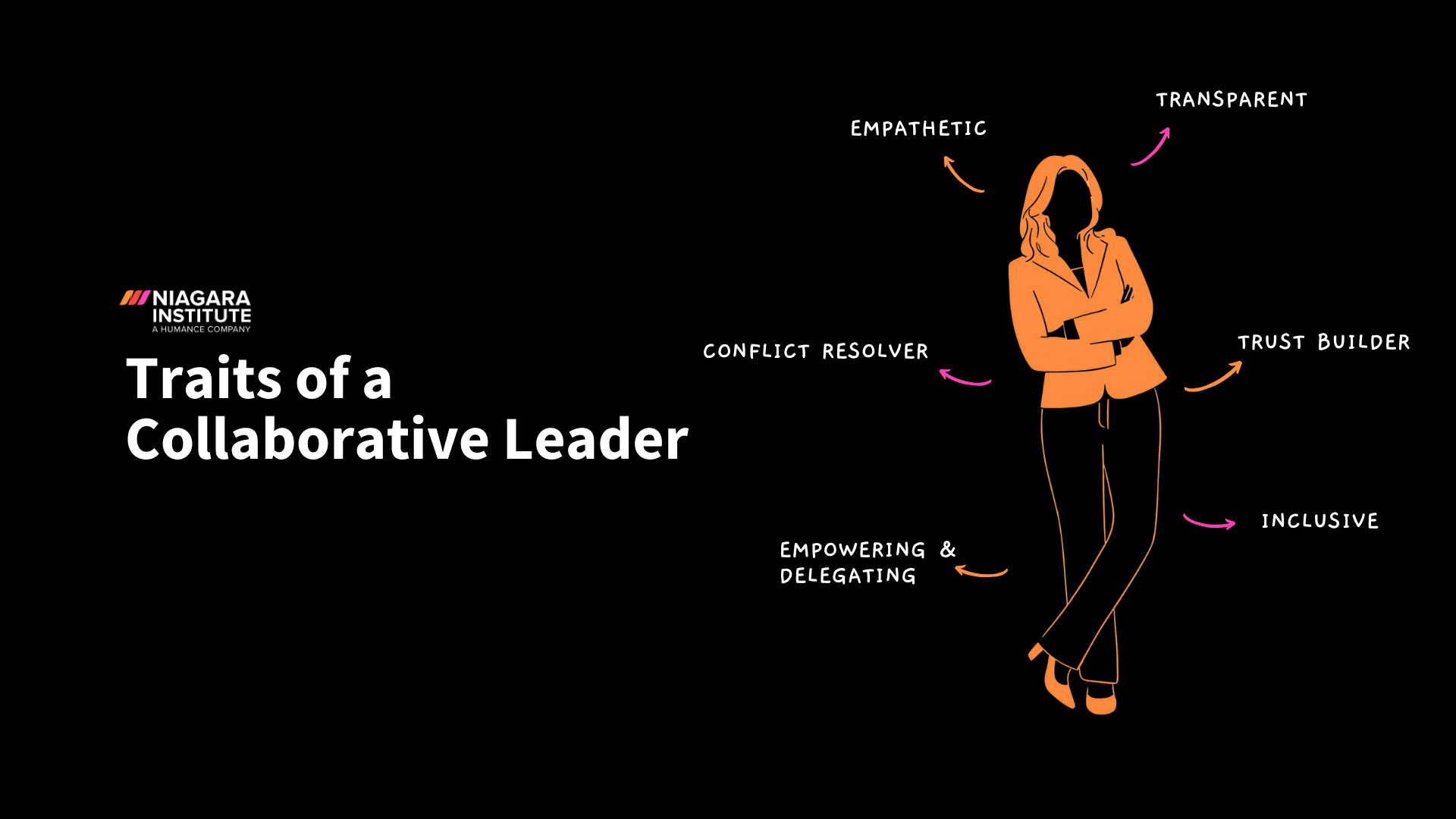
Collaborative leaders possess the following traits:
- Acting as a Facilitator: Rather than being the sole decision-maker, these leaders focus on managing the process of reaching a goal. They create the working environment where ideas can flow, ensuring every voice is heard during brainstorming.
- Radical Transparency: Trust is built by sharing information freely. By giving the team access to company data and high-level objectives, leaders empower them to make informed, independent choices.
- Emotional Intelligence and Humility: This style requires a high degree of self-awareness. Leaders must be willing to admit they don't have all the answers and show vulnerability, which encourages a culture of honesty and psychological safety.
- Strength-Based Delegation: Instead of just assigning tasks, these leaders look at the specific talents of each team member. Collaborative leaders empower individuals to own the parts of a project that align with their natural skills.
The Benefits of Collaborative Leadership Style: Why It Beats the Old Ways
When implemented correctly, moving to a shared leadership model can transform a stagnant office into a powerhouse of creativity.
- A Hotbed for Innovation: When you combine perspectives from different departments—like marketing, sales, and tech—you uncover solutions that a siloed team never would. Diversity of thought is a massive competitive advantage.
- Higher Morale and Retention: People want to feel that their work matters. When employees are involved in shaping the mission, they feel a sense of ownership. This deeper engagement leads to higher job satisfaction and lower turnover rates.
- Greater Organizational Resilience: Teams that practice collaboration are often more agile. Because they are used to solving problems together, they can pivot faster during a crisis or when market conditions change suddenly.
The Challenges of Collaborative Leadership Style: Navigating the Potential Pitfalls
While the advantages of a collaborative leadership style are significant, this approach isn't without its hurdles. It requires a deliberate effort to manage effectively.
- The Time Factor: Reaching a consensus takes much longer than making a unilateral decision. In high-pressure situations that require an immediate response, the collaborative process can feel frustratingly slow.
- Blurry Accountability: When "everyone" is responsible, sometimes "no one" feels responsible. Without clear boundaries, it can be difficult to pinpoint who should take the lead if a project fails or a tough call needs to be made.
- Potential for Conflict: Inviting more opinions naturally leads to more disagreements. Leaders must be skilled in mediation to ensure that healthy debate doesn't turn into personal friction or "turf wars" between departments.
Why Collaboration Wins
For many modern companies—especially those with remote or hybrid teams—it is simply the way work gets done. It may take more time. It calls for patience, trust, and strong people skills. And yes, it means stepping out of the spotlight more often than you might like.
But the payoff is real. Teams become more creative. People feel seen and valued. The company grows stronger because it can adapt and solve problems together. When you leave ego at the door and focus on shared success, you create something bigger than any one leader could build alone—a team that wins as one.


 Gavin Brown



 Gavin Brown : Mar 28, 2025, 4:11:12 PM

![[Infographic] 6 Types of Leaders in the Workplace: Which Are You?](https://www.niagarainstitute.com/hubfs/6%20Types%20of%20Leaders%20(1).png)
