Mentorship offers tailored coaching, career progression and skill development, benefiting everyone from young staff seeking career advancement to mid-level managers aiming to improve their leadership skills.
In many organizations, middle management is often viewed as one of the most challenging positions. Unlike junior employees who focus on their specific tasks and receive role specific training, middle managers supervise and guide employees who perform tasks they were once responsible for, often without receiving proper training for this role role. This puts them in a tough spot, balancing strategic and tactical responsibilities, and operating as a communication bridge between higher-ups and subordinates.
Many companies face a lack of effective leadership skills due to inadequate training of these employees, which can lead to underperformance and dissatisfaction. As a result, individuals with technical proficiency may struggle with leadership and management aspects of their new role, affecting team performance and overall organizational success.
How Mentoring Helps Mid-Level Managers Step Into Leadership Roles?
Mentorship is a powerful tool for mid-level managers, as it helps them transition from tactical execution roles into true leadership positions by developing crucial skills and providing necessary support. This development is especially vital because middle managers possess a huge influence over an organization's long-term success and significantly impact the performance, productivity, and engagement of their direct reports.
Mid-level managers learn several key capabilities and gain critical professional advantages through mentorship:
Core Leadership Competencies
Mentoring helps managers acquire essential leadership skills often overlooked in traditional corporate training:
- Strategic thinking mentoring exposes mid-level managers to strategic planning, risk assessment, and long-term goal setting, which are critical for senior leadership roles. Mentees learn to view challenges through a wider business lens and gain tools for evaluating trade-offs and stakeholder alignment during strategic planning sessions.
- Emotional Intelligence (EQ) leaders are emotionally intelligent, and mentoring helps individuals develop self-awareness, empathy, and influence. Mentees gain exposure to new generational or diverse perspectives that challenge assumptions and expand their worldview, thereby building empathy and awareness of workplace inclusivity.
- Improved communication and influence managers can practice executive-level communication skills, such as how to present ideas to the board, handle conflicts, or inspire cross-departmental teams. Mentorship provides guided discussions and role-plays to enhance communication and conflict resolution abilities.
Professional Growth and Confidence
Mentoring aids managers in navigating the pressures of their role and building confidence for future challenges:
- Increased confidence and empowerment participants in mentoring programs report feeling more confident and empowered in their professional roles. This counsel and support in difficult times help them feel more assured in making decisions and taking action as leaders.
- Career advancement and visibility mentees receive tailored guidance and stretch assignments that align with their growth ambitions. Mentoring helps them build their leadership identity and visibility, and they gain access to networks, role models, and opportunities that might otherwise be out of reach. For example, a mid-level manager may use the relationship to understand pathways to promotion.
- Preventing mistakes by learning from mentors who have trodden familiar paths, middle managers can prevent making unnecessary mistakes. Mentoring also reinforces a commitment to continuous learning and reflection, encouraging a mindset of lifelong learning.
Safe Environment for Feedback and Development
Mentoring provides a structured, supportive setting essential for behavioral development:
- Real-Time Feedback and Accountability mentoring offers a safe environment to receive honest, constructive feedback on behavior and decisions—something often difficult to obtain within their organization. It provides a safe space to learn, apply, and reflect on leadership behaviors.
- Addressing Organizational Risks Mentoring is critical for addressing the cohort's developmental needs to prevent a trickle-down effect of disengagement, as a "bad boss" (often a middle manager) is a common reason people leave a company.
In essence, mentorship serves as a vital bridge, providing mid-level managers with the guidance and exposure needed to shift their focus from tactical execution to the broader vision and emotional leadership required at the executive level.
The Importance of Effective leadership training
Statistics show the importance of mentorship. Mentoring programs exist in 84% of Fortune 500 companies and 100% of Fortune 50 organizations.
Additionally, 76% of employees see the value in mentorship, and the presence of mentoring programs have increased by 30% post-pandemic in organizations. Isn’t that impressive?
Reasons to create and Support a Mentorship Program in an Organization
- Personalized coaching and skill development: Mentorship programs can offer tailor-made lessons that cater to your specific needs and goals. They facilitate skill development, giving individuals the necessary tools for your role.
- Career growth: Through mentorship, you can gain insights into career advancement strategies and opportunities, aiding in your professional growth.
- Enhanced leadership skills: Mentorship programs provide a platform for aspiring leaders to learn and hone their leadership skills. Under the guidance of experienced mentors, they learn the ropes of effective leadership.
- Increased job satisfaction and retention: Employees who receive mentorship often have higher job satisfaction. They feel valued and supported, leading to increased job retention.
Interested in advancing your leadership skills?
The transition from a successful mid-level manager to an influential leader can be one of the most demanding steps in a professional career. While your mastery of technical skills and operational performance likely secured your management role, true leadership demands qualities like strategic thinking, emotional intelligence, and people empowerment. These high-level skills are often best cultivated not in a classroom, but through dedicated, tailored support found in a mentoring relationship.
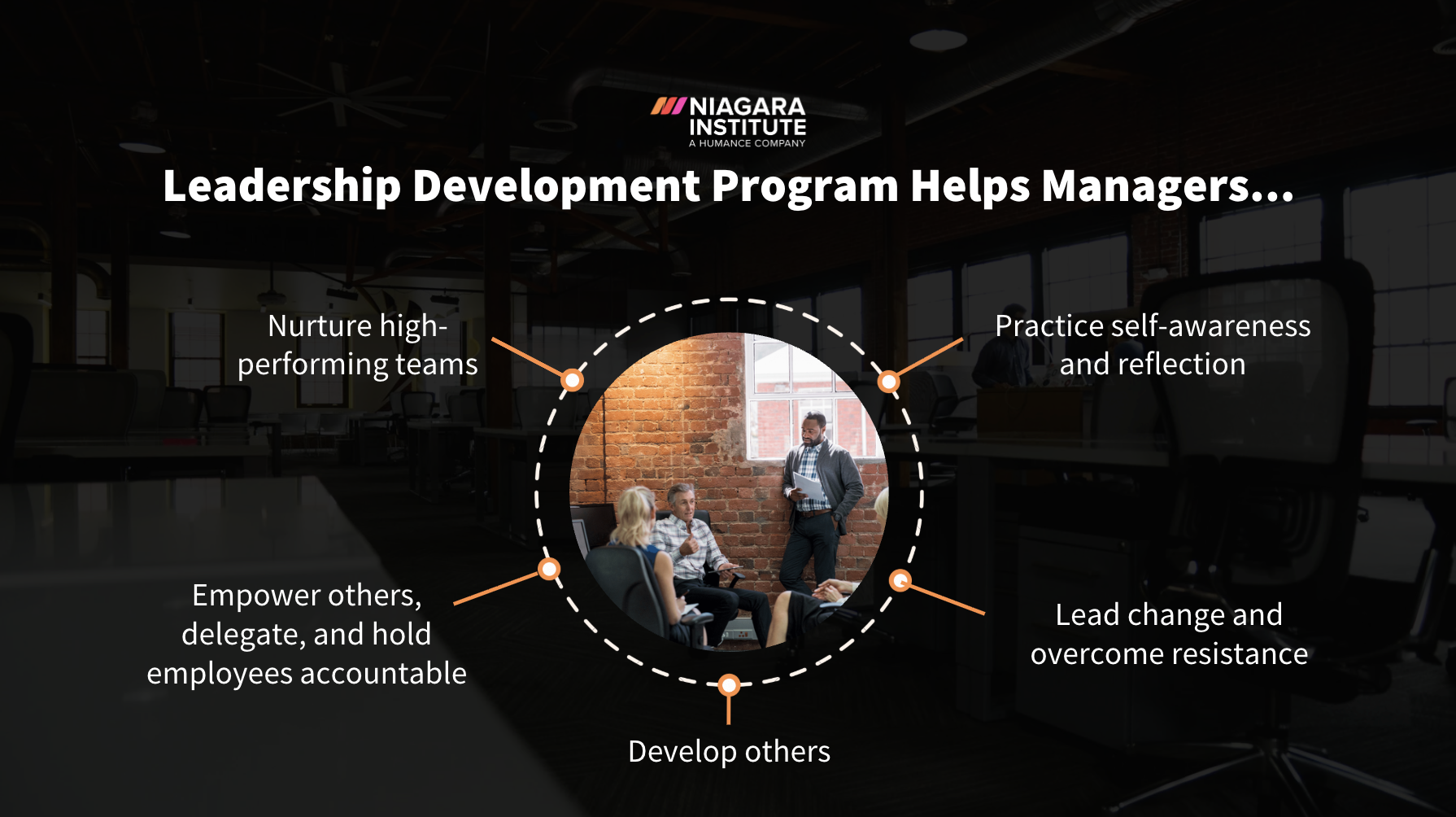
Niagara Institute is committed to supporting the everyday leader. We offer a variety of programs and services, including 1:1 Coaching and Advanced Leadership Development, designed to provide the tangible tools and insights you need to confidently lead and inspire your people.
If you are ready to stop leaving your career trajectory to chance and start cultivating the core skills—from communication to accountability—that leadership demands, mentoring and professional development are the clearest paths forward.


 Gavin Brown



 Gavin Brown : Nov 25, 2024, 12:59:54 PM